Emergency Tree Removal for Swarthmore Homeowners
Request an estimate today
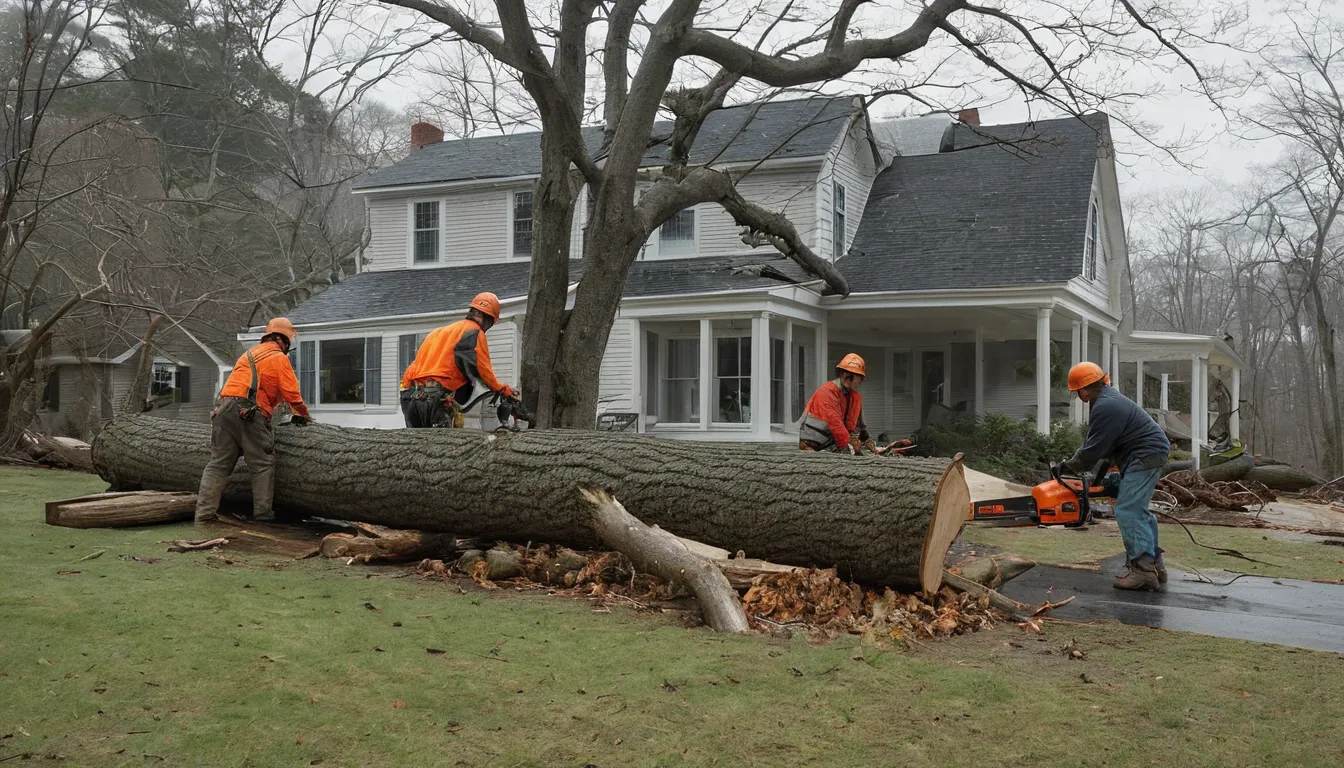
A tree on a roof, a driveway, or a fence line is a problem that needs a plan. Increasinglymobile Tree Service is a referral service. We connect homeowners in the Swarthmore area with independent providers who handle emergency tree removal and storm tree clearance.
Providers do the work. Increasinglymobile Tree Service does not. You describe the situation, share a few photos, and a local provider in our network reviews it. Many providers can respond quickly, though availability varies. You compare what you hear, ask your questions, and decide with no obligation. This page explains what counts as urgent, how a removal usually runs, and how to keep your records in order.
Tree Down? Start Here
A fallen tree looks simple. It rarely is. Trunks can be under tension, branches can be hung up overhead, and wet ground can shift. Your first job is to make the area safe. The removal comes second.
Safety Before Anything Else
- Keep everyone away from the tree, including pets.
- Stay at least 30 feet from any downed line, and treat every wire as live.
- Do not cut or pull a tree that is leaning on something.
- Shut off utilities if the tree has damaged a meter, pipe or service mast.
- Report downed power lines to the utility, not a tree provider.
Photos First, Always
Once it is safe, take pictures from a distance. Capture the whole tree, the point of impact, and anything damaged. Add a wide shot that shows the tree relative to the house. These photos help a provider judge the job and help with any claim later.
What Counts as an Urgent Tree Problem
Not every tree problem is an emergency. Sorting yours into the right bucket saves money and stress.
Treat as Urgent
- A tree or large limb resting on a roof, wall or vehicle.
- A trunk blocking a driveway, a street or a way out of the home.
- A tree touching or tangled in service lines.
- A split or leaning trunk close to the house after a storm.
- Hanging limbs that could drop at any moment.
Can Usually Wait a Few Days
- A fallen tree in a far corner of the yard.
- Broken branches that are on the ground and clear of structures.
- A dead tree that is still standing and not leaning.
If you are unsure, send photos. A provider can tell you which category you are in.
Request a callback to check provider availability.
How Storm Tree Clearance Works
The process is more orderly than most people expect. Here is the usual sequence.
Assessment and Plan
The provider looks at the tree, the load on it, and what sits below. Then they pick a method. A tree falling service may drop the trunk in sections. Where space is tight, they may use rigging, ropes and pulleys, to lower pieces under control. A crane is sometimes used for large trunks over a house.
Securing, Then Clearing
If a roof is damaged, many providers can help with temporary protection, such as a tarp, or point you to someone who does. Then comes cutting, hauling and cleanup. Ask what is included before work starts.
Stump Left Behind?
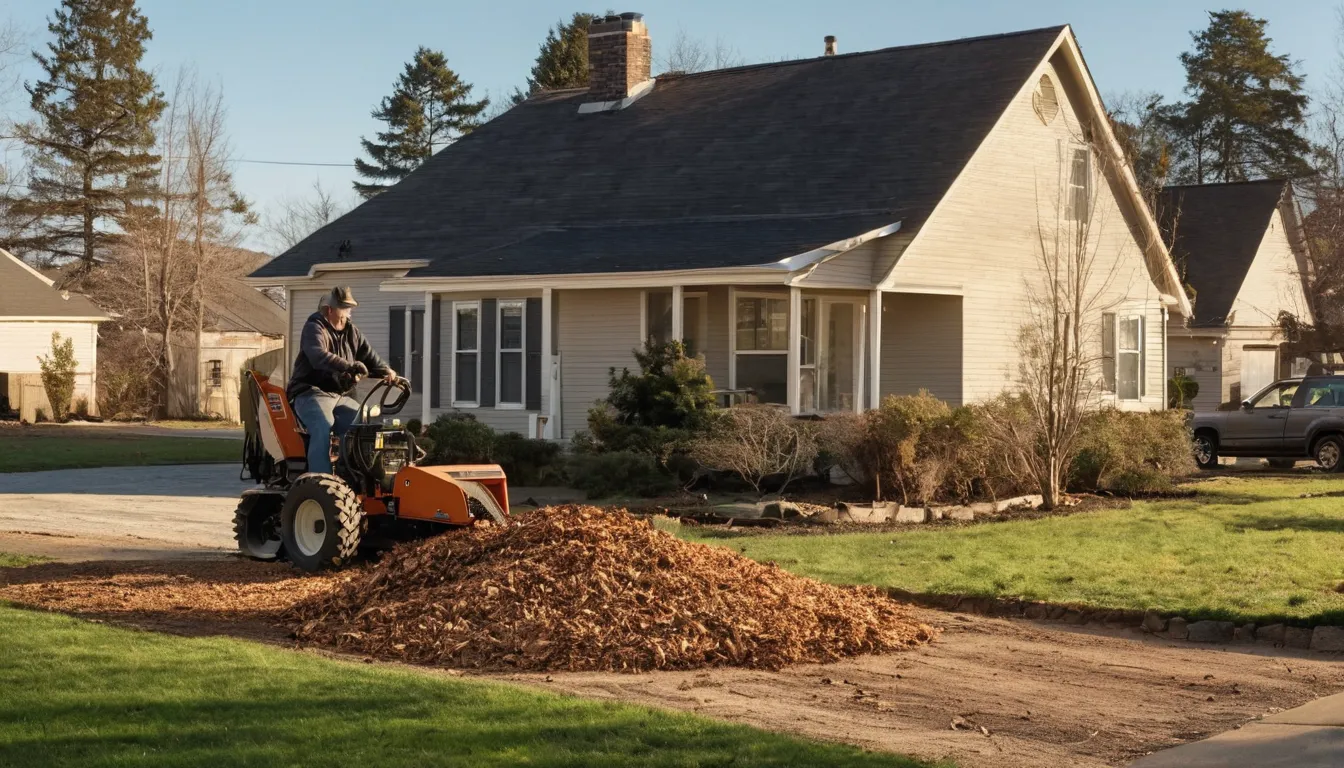
After the tree is gone, a stump often remains. Stump grinding is a separate step. Many homeowners handle it later, once the emergency is over.
Keep Your Records in Order
A tidy file makes every conversation easier. Keep a simple folder, on paper or on your phone.
- Dated photos before, during and after the removal.
- Notes on the time the tree fell and the weather at the time.
- Written estimates from each provider you speak with.
- Receipts and the final invoice.
Working With Your Insurance
Some policies may cover sudden damage from a fallen tree, often when it hits a structure. Coverage depends on your policy, your deductible and the cause. Check your policy, or ask your agent. Providers can often help document damage for a claim, for example with written scope and itemized invoices.
Do not wait on a claim decision to make the property safe. Take photos first, then arrange the work needed to prevent further damage.
After a Big Storm: What to Expect
When a storm hits a whole region, many households need help at once. Providers triage. Trees on homes go first, blocked access comes next, and yard cleanup waits. You may hear a range of timelines, and that is normal.
Cold snowy winters add their own risks. Heavy wet snow and ice load branches. Freeze-thaw cycles crack trunks and loosen roots. Spring snowmelt softens soil, and a tree that held all winter can lean. Coastal storms bring wind that finds weak limbs fast.
Older Homes, Tighter Access
Older housing stock, such as Cape Cod style homes and multi-family buildings, often means narrow lots and trees close to walls. Tell the provider about overhead lines, fences and tight gates. It changes how the tree is taken down.
Preventing the Next Storm Problem
A few habits reduce the odds of a repeat.
- Have large trees inspected before storm season.
- Remove dead or split limbs early.
- Watch for mushrooms at the base, cracks, or a new lean.
- Keep trees clear of service lines and rooflines.
Questions to Ask the Provider
A short list keeps the conversation focused.
- Will you visit or review photos first?
- What is in the estimate: cutting, hauling, cleanup?
- How will the tree be removed, and what could be affected?
- Can you document damage in writing for an insurance claim?
- What is the stump plan?
Compare, Then Decide
You are not required to accept the first estimate. Compare scope, method and price in writing. Decide when you are comfortable. There is no obligation to hire any provider you hear from.
To start, send your photos and details.
What's Included
Fallen Tree Clearing
Providers cut and haul a downed tree from yards, driveways and rooflines.
Storm Tree Clearance
Broken limbs and uprooted trunks removed after wind, ice, snow or coastal storms.
Hazard Limb Removal
Cracked or hanging branches taken down before they fall on a home or vehicle.
Cleanup
Debris hauling and site cleanup, depending on what each provider quotes.
Typical Emergency Removal Price Ranges
Emergency work often costs more than planned removal because of risk, rigging and urgency. These are typical U.S. ranges only. Each job differs, so get a written quote.
| Item | Typical range | Notes |
|---|---|---|
| Small tree down, clear access | $300 – $1,000 | Light cutting and hauling |
| Medium tree down | $800 – $2,500 | Sectioning may be needed |
| Large tree on a structure | $2,000 – $6,000 | Rigging or a crane adds cost |
| Crane service | $500 – $1,500+ | Often billed per hour |
| Storm debris cleanup | $200 – $1,000 | Depends on volume |
| Stump grinding add-on | $150 – $600 | Priced separately |
How It Works
Make It Safe
Keep clear of the tree and any wires, then take photos from a safe distance.
Send Your Details
Request an estimate and describe what fell and what it touched.
Compare the Estimates
Review scope, method and price from providers in writing.
Choose and Schedule
Pick a provider, confirm the plan, and keep your records.
Why Call Increasinglymobile Tree Service
Photos Before the Visit
Clear photos let providers judge the job early and give more accurate guidance.
Compare Options
Hear from independent providers and weigh scope, method and price in writing.
No Pressure
You decide when to book. There is no obligation to hire anyone.
Organized Records
Notes, photos and estimates stay together for any insurance conversation.
Other Services
Need emergency tree removal in Swarthmore?
Request a callback to check provider availability, or send a request through the form. Share a few photos and details, and compare what comes back.
No obligationEmergency Tree Removal FAQ
What counts as an emergency tree removal?
A tree or limb on a home, vehicle or driveway, one touching service lines, or a trunk that is split or leaning toward a structure. Trees on open ground can often wait.
Will insurance pay for a fallen tree removal?
It depends on your policy. Some policies may cover sudden damage, especially when a tree hits a structure. Check your policy or ask your agent. Providers can often help document damage for a claim.
How much does emergency tree removal cost?
Typical U.S. prices range from a few hundred dollars for a small tree with easy access to several thousand when a crane or rigging is needed. Costs vary by job, so ask for a written quote.
Reach a local provider
Request a callback to check provider availability, or send a request through the form. Share a few photos and details, and compare what comes back.
No obligation