Tree Removal in Swarthmore
Compare local providers today
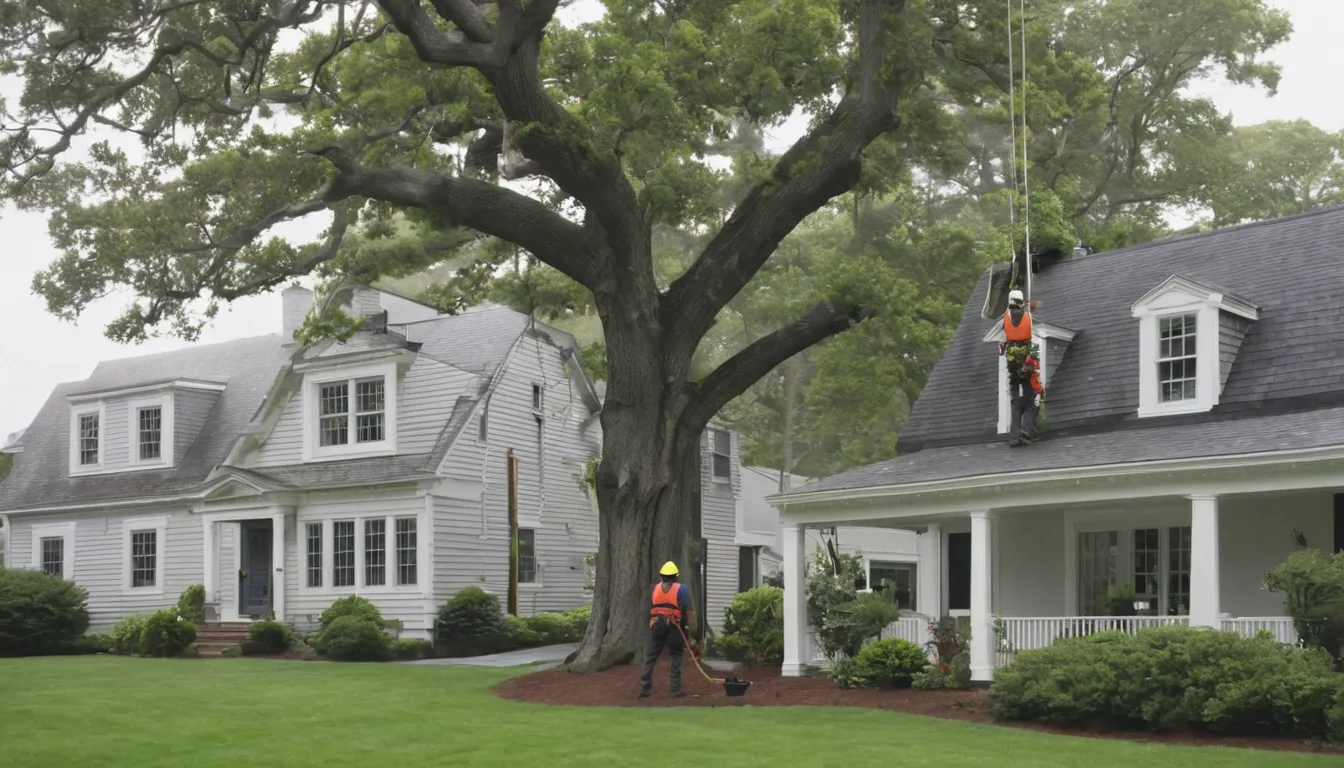
Tree removal means a provider cuts a tree down in a controlled way and clears the wood. The job may be urgent, such as a leaning trunk, a storm-split tree or a limb over the roof. It may also be planned, such as a dead tree, a root problem or a yard redesign.
Increasinglymobile Tree Service is a referral service for homeowners in the Swarthmore area. We connect you with independent local providers. Providers do the work, not Increasinglymobile Tree Service. You can compare estimates side by side, ask your questions and decide at your own pace. Take photos first, keep your notes organized, and you will be ready for any estimate or insurance conversation.
Tree Removal: Start Here
Tree removal means a provider cuts down a tree in sections and hauls away the wood. Some jobs are routine. Others are urgent. This page runs from most urgent to least, so find your situation and act on it.
Increasinglymobile Tree Service is a referral service. Providers do the work. Increasinglymobile Tree Service connects homeowners in the Swarthmore area with independent local providers, so you can compare estimates and decide with no obligation.
Urgent: Tree on the House, Wires or Driveway
If a tree has landed on a structure, a power line or your driveway, keep everyone back. Stay well clear of anything touching wires. Contact your utility and local emergency services if anyone is at risk.
Once the area is safe, Request a callback to check provider availability for emergency tree removal. Many providers can respond quickly to hazards, though availability varies.
Storm Tree Clearance After Winter Weather
Coastal storms, heavy snow and ice can snap limbs or topple whole trees. Winter temperature swings and spring snowmelt soften the soil, and that loosens the roots of trees that were already weak. Storm tree clearance usually means cutting the fallen tree into pieces and clearing the debris.
Warning Signs a Tree Should Come Down
These signs suggest a tree may be a risk:
- A trunk that leans more than it used to
- Deep cracks, hollow spots or large dead limbs
- Fungus or mushrooms near the base
- Lifted soil or exposed roots
- Branches hanging over the roof or lines
An arborist, a specialist in tree health, can confirm whether the tree is unsafe. Many providers will also give an opinion during an estimate visit.
Photos First, Always
Before you contact anyone, take photos. Shoot the whole tree, the base, any damage, and nearby structures, fences and wires. Add a short note with the date and what you noticed.
Clear images help providers quote more accurately. They also help if you later talk to your insurer.
Paperwork-Ready: What to Keep
Keep one folder, paper or digital, with:
- Dated photos from several angles
- Written estimates from each provider
- Notes on each conversation
- Proof of the provider's insurance
- The final invoice and any permit
Some policies may cover sudden damage, such as a tree that fell in a storm. Check your policy. Providers can often help document damage for a claim. Removing a healthy tree by choice is usually not covered.
How Tree Removal Works
A provider inspects the site and sets a plan. Climbers or a bucket truck take the tree down in pieces. Heavy sections are lowered by rope to protect roofs, fences and lawns. The wood is then cut up and hauled away, or left as logs if you agree to that.
Older Homes Change the Plan
Older housing stock often means tight lots and close neighbors. Cape Cod style homes and multi-family buildings may leave little room for a drop zone. Roots can also run close to stone or block foundations and full basements.
Tell every provider about these limits up front. Access affects the method, and the method affects the price.
What Affects the Price
Size, height, location, access and the condition of the wood drive the quote. A tree beside a roof or wires costs more than one in an open yard. Dead or storm-damaged wood is riskier to cut. Haul-away and cleanup can change the total.
Typical U.S. prices vary widely by job, so always get a written quote.
Compare, Then Decide
Ask for two or three estimates. Compare scope, not only the total. Check whether each one includes cleanup, wood removal and the stump. The stump is the base left in the ground. Ask whether grinding is included or priced separately.
Take your time. You have no obligation to accept any estimate.
Questions to Ask Each Provider
- Are you insured, and can I see proof?
- What equipment will be on site?
- Is cleanup and haul-away included?
- Will the price be confirmed in writing?
- What happens if weather delays the job?
Permits and Local Rules
Some towns require a permit for large, protected or street-side trees. Rules vary by municipality and may apply near wetlands or historic areas. Check with your local office before work starts. Providers can often tell you what to expect.
Getting Ready for Removal Day
- Move cars out of the drop zone
- Clear patio furniture, toys and planters
- Point out sprinkler heads and buried lines
- Keep children and pets indoors
- Warn neighbors if the work is near a shared fence
After the Tree Comes Down
Walk the site with the provider. Check the cleanup against the written quote. Photograph the finished area and keep the invoice. If a stump remains, decide later whether to have it ground out. Watch for soil settling after the spring thaw.
Ready to Compare Providers?
Tell Increasinglymobile Tree Service what you have, send your photos, and compare what comes back. Providers do the work. You make the decision.
What's Included
Full Tree Takedown
A provider cuts the tree in controlled sections so roofs, fences and yards stay protected during the job.
Debris Cleanup
Branches, logs and sawdust are cleared or hauled off, depending on what your written estimate says.
Hazard Assessment
Providers check lean, rot, roots and nearby lines before choosing a safe method for the site.
Written Estimates
Each provider outlines scope and price in writing, so you can compare them side by side.
Typical Tree Removal Costs
These are typical U.S. ranges. Real prices vary by tree size, access, condition and local rates. Use them as a rough guide, then get a written quote from each provider before deciding.
| Job type | Typical range | Notes |
|---|---|---|
| Small tree (under 30 ft) | $200 – $800 | Open access, simple cleanup |
| Medium tree (30–60 ft) | $500 – $1,500 | Common for yard trees |
| Large tree (over 60 ft) | $1,200 – $3,000+ | Heavier crew and equipment |
| Tree near house or wires | $1,000 – $4,000 | Careful rigging adds time |
| Storm-damaged or fallen tree | $500 – $3,000+ | Depends on hazards and access |
| Extra haul-away or wood cleanup | $100 – $500 | Ask if it is included |
How It Works
Photograph the tree
Take dated photos of the whole tree, the base, any damage and nearby structures or wires.
Request an estimate or call
Share your details and photos, or Request a callback to check provider availability.
Compare written quotes
Review scope, cleanup, stump terms and price from each provider before you decide.
Schedule and prepare
Pick a provider, confirm the date in writing, and clear the drop zone before work begins.
Why Call Increasinglymobile Tree Service
Compare Options
Review estimates from independent local providers side by side before you choose anyone.
No Pressure
Requesting an estimate carries no obligation, and you decide when and whether to move forward.
Organized Records
Photos, notes and written quotes stay in one place for estimates and any insurance conversation.
Providers Do Work
Increasinglymobile Tree Service only makes the connection. Independent providers handle the actual tree work.
Other Services
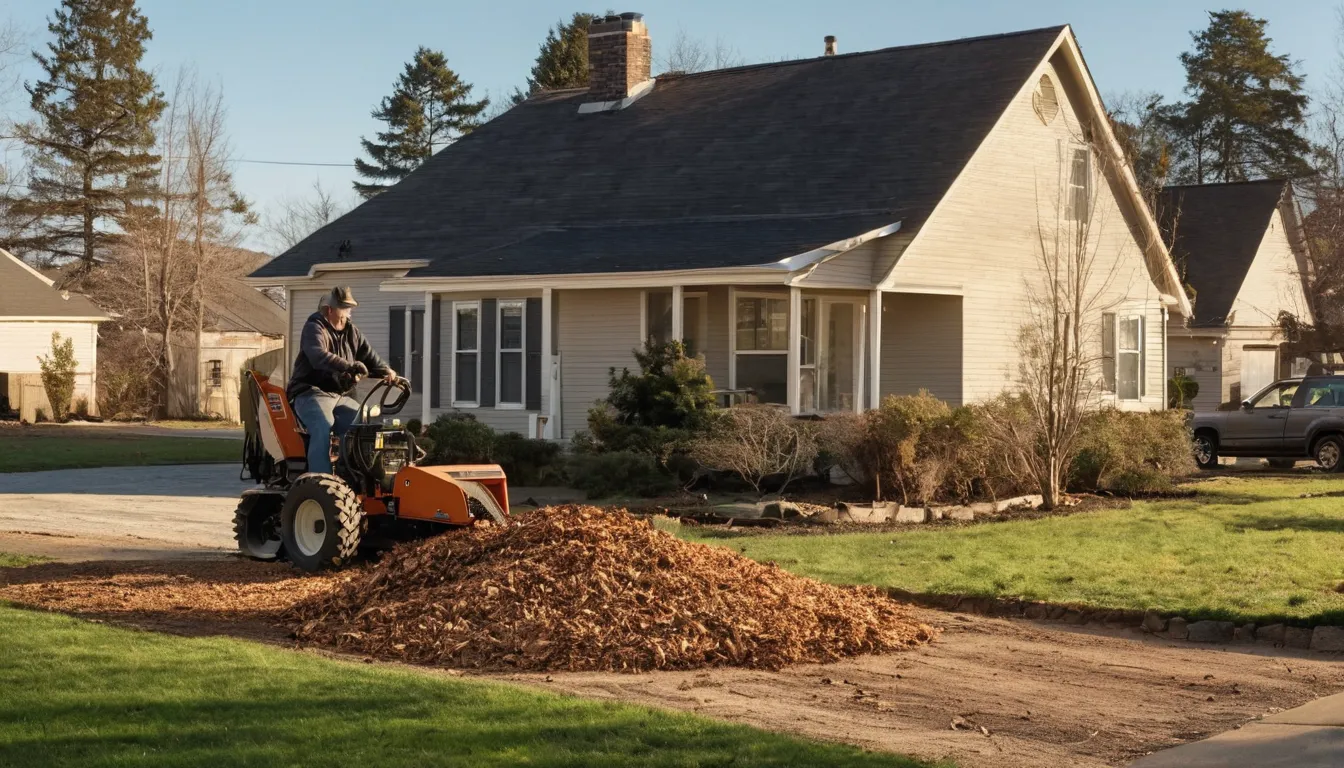
Need tree removal in Swarthmore?
Request a callback to check provider availability, or send a request through the form. Share a few photos and details, and compare what comes back.
No obligationTree Removal FAQ
How much does tree removal cost?
Typical U.S. prices run from a few hundred dollars for a small tree to several thousand for a large one near a house. Size, access and condition change the total, so get a written quote.
Do I need a permit to remove a tree?
It depends on your town. Some places require permits for large, protected or street-side trees. Check with your local office before work starts, and ask providers what they know about local rules.
Will insurance pay for tree removal?
Some policies may cover sudden damage, such as a tree that fell in a storm. Removing a healthy tree is usually not covered. Check your policy, and keep photos, notes and invoices for any claim.
Reach a local provider
Request a callback to check provider availability, or send a request through the form. Share a few photos and details, and compare what comes back.
No obligation